Creating Better Banking Experiences

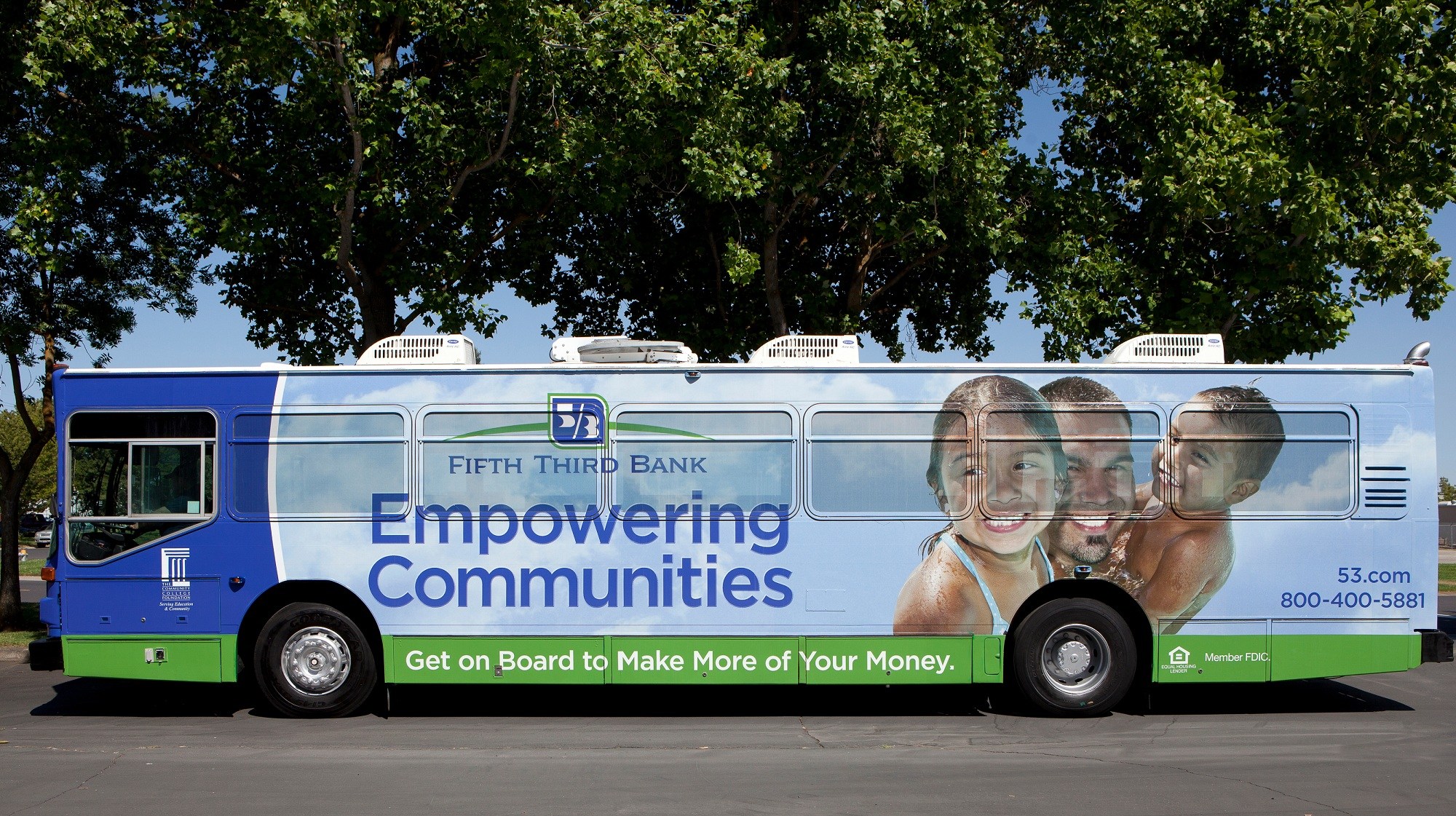
Earlier this week, we published our quarterly print issue of Bank Director magazine.  If you haven’t seen it, our talented editor, Naomi Snyder, shines a light on the “tech bets” being made by Fifth Third, a $142 billion asset institution.  Having worked for an IT firm, I appreciate the three questions their President & CEO, Greg Carmichael, asks his team to consider before investing in new technologies:

  1. Does it improve the bank’s ability to serve customers?
  2. Does it drive efficiency?
  3. Does it create a better experience for customers?

As he shares, “not every problem needs to be solved with technology… But when technology is a solution, what technology do you select? Is it cost efficient? How do you get it in as quickly as possible?  You have to maintain it going forward, and hold management accountable for the business outcomes that result if the technology is deployed correctly.”

“The challenges are how to grow the franchise and reposition the franchise to serve our customers in the way they want to be served, which is more of a digital infrastructure.”

-Greg Carmichael, President & CEO, Fifth Third Bank

While Fifth Third plans to invest some $60M this year in technology, Naomi notes that the bank doesn’t have an R&D lab with a staff separated from the rest of the bank and dedicated to inventing things (like its competitor U.S. Bancorp).  Nor does Fifth Third have the reputation of being highly innovative, like a BBVA.  Nonetheless, the regional bank, headquartered in Cincinnati, has a laser focus on developing practical solutions to everyday problems.

So to build on this issue’s cover story — and the efforts we’re making with our FinXTech platform — let me offer my take on who I consider standouts in the payments, lending and retail space today.  Those addressing “everyday problems” may find inspiration from the work being done and/or want to explore partnership opportunities.

Payments + Transfer

When one thinks about payments — and the movement of  value via cash, credit card, check and other transactions — some big names come to mind: Apple Pay, Chase Pay, Square, Paypal, etc.  But don’t sleep on these companies:

Lending

In the lending sector, a lot of people continue to talk about LendingClub’s travails, scoff at SoFi’s change of heart from anti-bank to pro-partnerships and follow Prosper’s efforts to shore up its business.  Within the lending space, these companies also deserve time and attention:

  • Affirm, a digital lender that provides installment financing;
  • Orchard, a technology and infrastructure provider for marketplace lending;
  • Lendio for small business loans;
  • Even, a new kind of financial app that turns variable pay into a steady, reliable income; and
  • Earnest,  a technology-enabled lender that enables one to consolidate and refinance  student loans.

Retail banking

Considering the core functions of retail banking remain the establishment of deposits and making of loans, those pushing the envelope in a way consumers desire include:

  • Ally Bank, known for its “No Branches = Great Rates” tag line;
  • Atom Bank, one of the first Challenger Banks in the UK;
  • Tandem, a new digital bank in the UK;
  • Moven, a pioneer in smart phone banking; and
  • Simple, part of the BBVA family that is reinventing online banking.

While these banks are pushing forward, many legacy institutions will be challenged to meet the expectations of their customers.  They will need to assess the additional risks, costs and supervisory concerns associated with providing new financial services and products.  Accordingly, I’m not alone in believing that financial institutions need to invest in services “for life’s needs” through collaboration and partnerships with companies like those shared in today’s post.

##

I realize there are a number of companies “doing it right” in these three sectors – and this simply highlights some of the players that standout to me.  Feel free to comment below on others that I might highlight in future posts.

5 Fintechs I’m Keen On

My first post in 2015 focused on three “up & coming” fintech companies: Wealthfront (an automated investment service), Kabbage (an online business loan provider) and Dwolla (a major player in real-time payment processing).  Since writing that piece, I’ve kept tabs on their successes while learning about other interesting and compelling businesses in the financial community.  So today, five more that I am keen on.

By Al Dominick // @aldominick

With continuous pressure to innovate, I’m not surprised to see traditional financial institutions learning from new challengers, adapting their offerings and identifying opportunities to collaborate with emerging players.  From tokenization to integrated payments, security tools to alternative lending platforms, the investments (and efforts) being made throughout the financial sector continues to impress and amaze me.  As I shared in 15 Banks and Fintechs Doing it Right, there are very real and immediate opportunities to expand what banking means to individual and business customers.  Personally, I am excited by the work being done by quite a few companies and what follows are five businesses I’ve learned more about while recently traveling between D.C., San Francisco and New York City:

logo

i2c, a global card processing company, provides back-end processing and settlement for cards, virtual accounts and mobile payments.  What’s interesting about them? According to a brief shared by Bridge by Deloitte (a web platform connecting enterprises with startups to accelerate innovation and growth), i2c recently teamed up with Oxfam, Visa and Philippines-based UnionBank to channel funds to people in disaster-affected communities through prepaid cards.

adyen-logo

With Money20/20 fast approaching, expect to see a lot of #payments trending on twitter.  Trending in terms of financial investment: Adyen, a company receiving a lot of attention for wrapping up a huge round of funding that values the payment service provider at $2.3B.  Adyen, which provides its services to a number of large organizations including Facebook and Netflix, excels in having a highly integrated platform, unlike others with multiple platforms.

Blend labs

When it comes to technology “powering the new wave of mortgage lending,” take a look at the work being done at BlendLabs.  Developing software & data applications for mortgage lenders, the company acknowledges that “accommodating complex rules and regulation changes is time-consuming and costly.” For this reason, the company has quietly rolled out technology that empowers some of the country’s largest lenders to originate mortgages more efficiently and compliantly than ever before while offering their borrowers a more compelling user experience.

logo

As the head of a company, I know first-hand how much time and effort is spent on efforts and ideas designed to maximize revenue and profits.  So the promise and premise of nCino is hugely attractive.  Co-founded by a fellow W&L grad (and the former CEO of S1) nCino is the leader in cloud banking.  With banks like Enterprise in St. Louis (lead by a CEO that I have huge respect for) as customers, take a look at their Bank Operating System, a comprehensive, fully-integrated banking management system that was created by bankers for bankers that sits alongside a bank’s core operating system.

logo

While not solely focused on the financial industry, Narrative Science is a leader in advanced natural language generation.  Serving customers in a number of industries, including marketing services, education, financial services and government, their relationship with USAA and MasterCard caught my eye.  As FinXTech’s Chief Visionary Officer recently shared with me, the Chicago-based enterprise software company created artificial intelligence that mines data for important information and transforms it into language for written reports.

##

In addition to these U.S.-based companies, you might look at how Fidor, a digital bank in Europe that offers all-electronic consumer banking services, links interest rates to Facebook likes and give cash rewards based on customers’ level of interaction with the bank (e.g. how many customer financial questions answered).  Clearly, the fabric of the financial industry continues to evolve as new technology players emerge, institutions like Fidor expand their footprint and traditional participants transform their business models.  So if you follow me on twitter (@aldominick), let me know of other fintech companies you’re impressed by these days.